
Off-the-Beaten-Path Destinations: 5 Countries That Surprise Faculty Groups
The five destinations most faculty groups never consider are often the ones that produce the best academic outcomes — and the fewest logistical headaches. Every year we watch departments narrow a shortlist to Costa Rica, Peru and Sri Lanka before anyone has asked what the course actually needs. Those are excellent choices, and we run a great deal of work in all three. But roughly a third of the groups we placed in 2025 ended up somewhere they had not thought of at the enquiry stage, and those groups reported some of the strongest student evaluations we have on file. Here are five countries that consistently surprise faculty — what they are genuinely good for, what they cost, and where they will frustrate you.
Why the obvious shortlist gets made — and what it costs you
There is a straightforward reason the same handful of countries dominate faculty-led planning: they are the destinations your travel committee has already approved, your colleagues have already run, and your risk office already has a file on. That familiarity is worth something real. It shortens approval by weeks.
But it also produces three predictable problems. The first is crowding: a cloud-forest research station in Monteverde in January is hosting four other university cohorts. The second is price — high-demand destinations in high season carry a premium of roughly 20–35% over comparable programmes elsewhere, most of it in accommodation and ground transport. The third, and the one faculty care most about, is fit. A course on water governance, post-disaster reconstruction or multi-ethnic policy does not become a course on those things simply because you took it somewhere with good infrastructure.
The five below are all places where our faculty-led group programmes already have in-country teams and established partner organisations — so you are not trading familiarity for improvisation. You are trading it for a better academic match.
1. Morocco — water, urbanism, Arabic, and gender policy
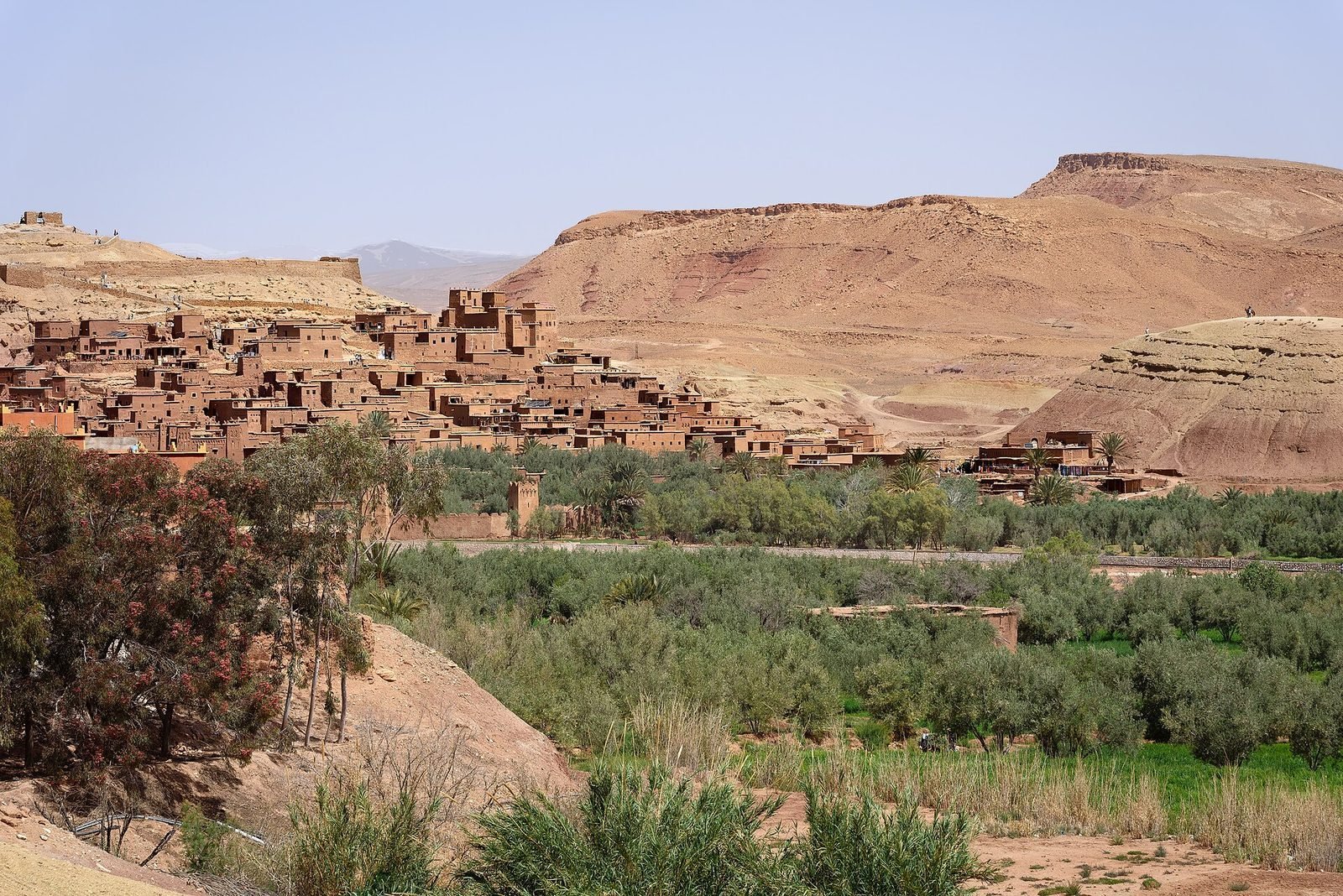
Morocco is the destination faculty most often dismiss for the wrong reason. The assumption is that it is a language-immersion country or nothing. In practice it is one of the strongest field classrooms we work in for anything touching climate adaptation and urban development, because the country is running several of those experiments in the open and at speed.
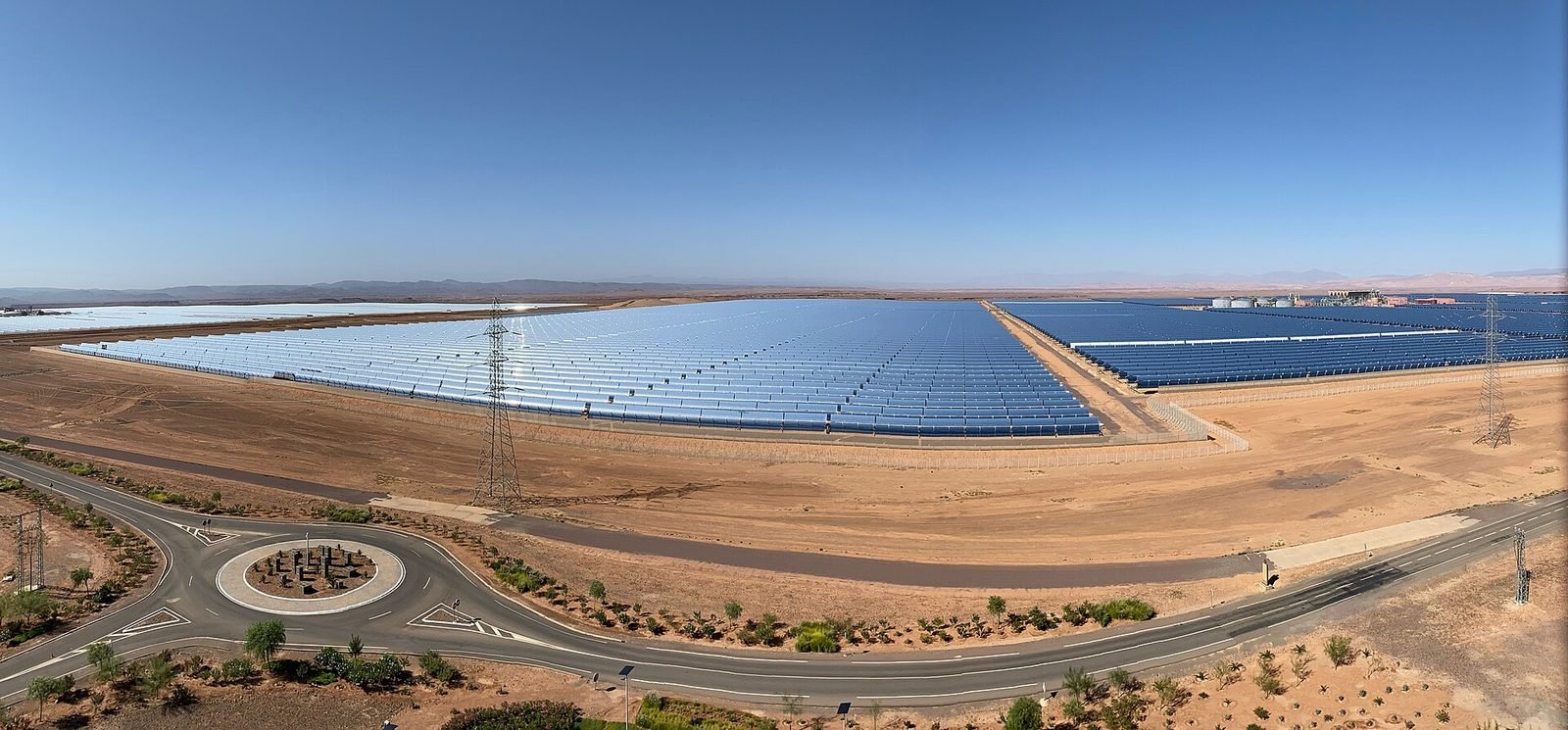
Water scarcity is the obvious one. The Draa and Souss valleys give students a live case in irrigation policy, groundwater depletion and agricultural transition. Ouarzazate's concentrated solar complex, two hours from Marrakech, remains one of the most instructive renewable-energy sites in the world for undergraduates — partly because its economics are genuinely contested. Rabat and Casablanca support serious work in urban informality, migration and social policy, and Moroccan universities are unusually open to hosting a visiting cohort for a half-day seminar.
- Disciplines: environmental policy, geography, urban studies, Arabic and French, anthropology, gender studies, architecture, development economics
- Indicative cost: £1,050–£1,600 per student for 10–14 days
- Best window: March–May or late September–November; avoid the interior in July and August
- Watch out for: Ramadan dates shift each year and materially change what a fieldwork day looks like — check before you set a term slot
Flight time from the UK is under four hours, which makes Morocco one of the few genuinely low-carbon long-format options for British institutions and a sensible first trip for a faculty member who has not led a group before.
2. Madagascar — endemism you cannot teach from a textbook
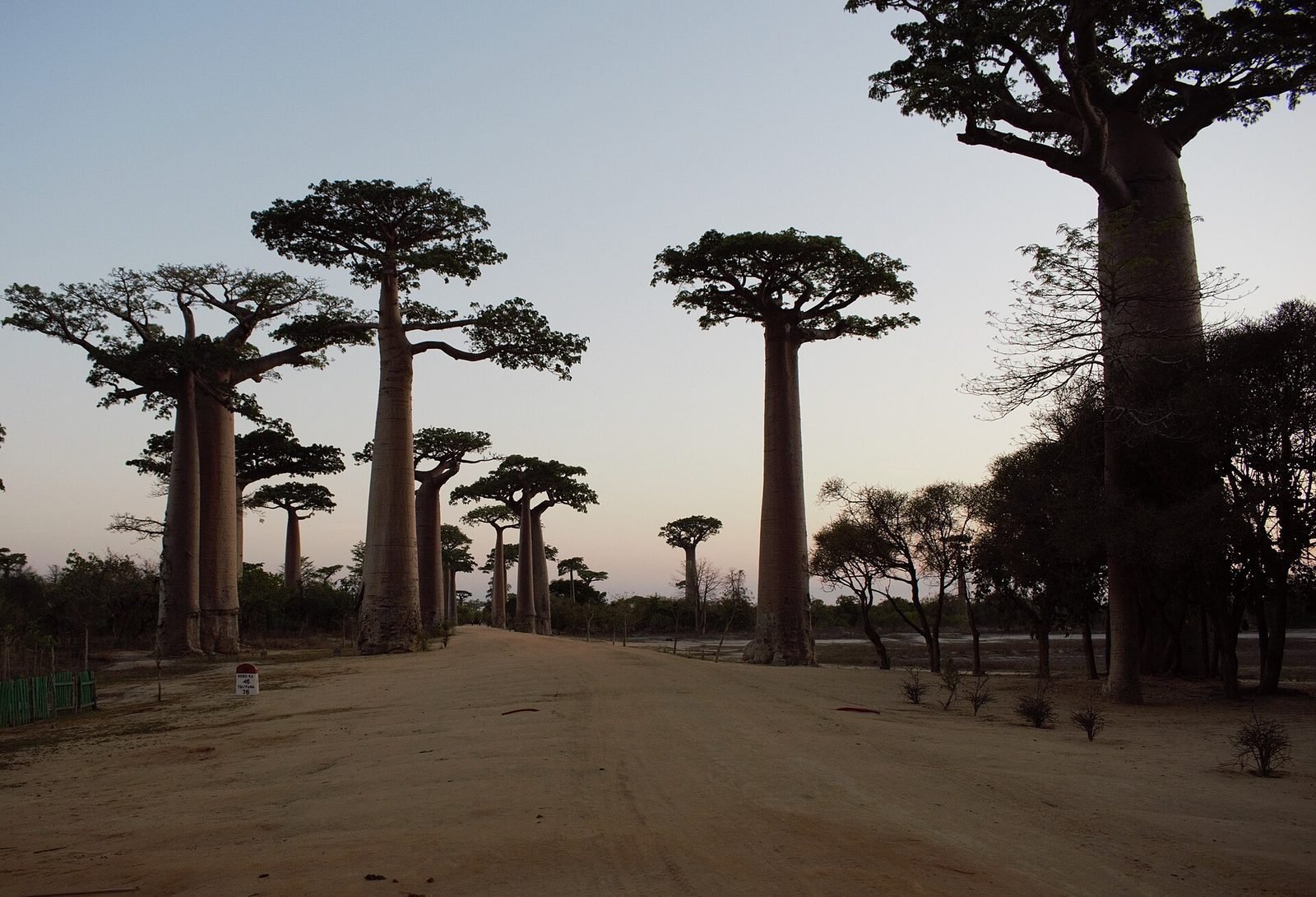
If your department teaches evolutionary biology, conservation science or ecological economics and you have not seriously costed Madagascar, you are leaving the single best teaching environment for those subjects on the table. Around 90% of the island's wildlife exists nowhere else. That is not a brochure statistic; it is the reason a two-week programme there does something a two-week programme in a well-studied ecosystem cannot.
The value is not only biological. Madagascar sits at the sharp end of the conservation-versus-livelihoods argument — slash-and-burn agriculture, vanilla-price volatility, protected-area governance, community forest management. Students who arrive with a tidy view of conservation ethics rarely leave with one, and that is usually the point.
The groups that get the most out of Madagascar are the ones that treat the conservation debate as the curriculum rather than the backdrop. If your assessment asks students to defend a position on land use, the country will supply better evidence than any reading list.
- Disciplines: conservation biology, ecology, environmental science, development studies, marine biology, anthropology
- Indicative cost: £1,600–£2,300 per student for 12–16 days
- Best window: April–November (dry season); cyclone risk January–March makes those months unworkable for groups
- Watch out for: internal transfers are slow and roads are poor — budget realistic travel days rather than assuming a 200km hop takes three hours
Madagascar is the most operationally demanding country on this list, and the one where a strong in-country team matters most. It is also the one where students' written reflections are consistently the most interesting.
3. Portugal — the low-risk European option nobody shortlists
Portugal is a different proposition to the rest of this list. It is not remote and it is not difficult. It is here because it solves a specific institutional problem: the department that wants a credible international field component but has a risk office that will not approve a long-haul destination, or a cohort that cannot afford one.
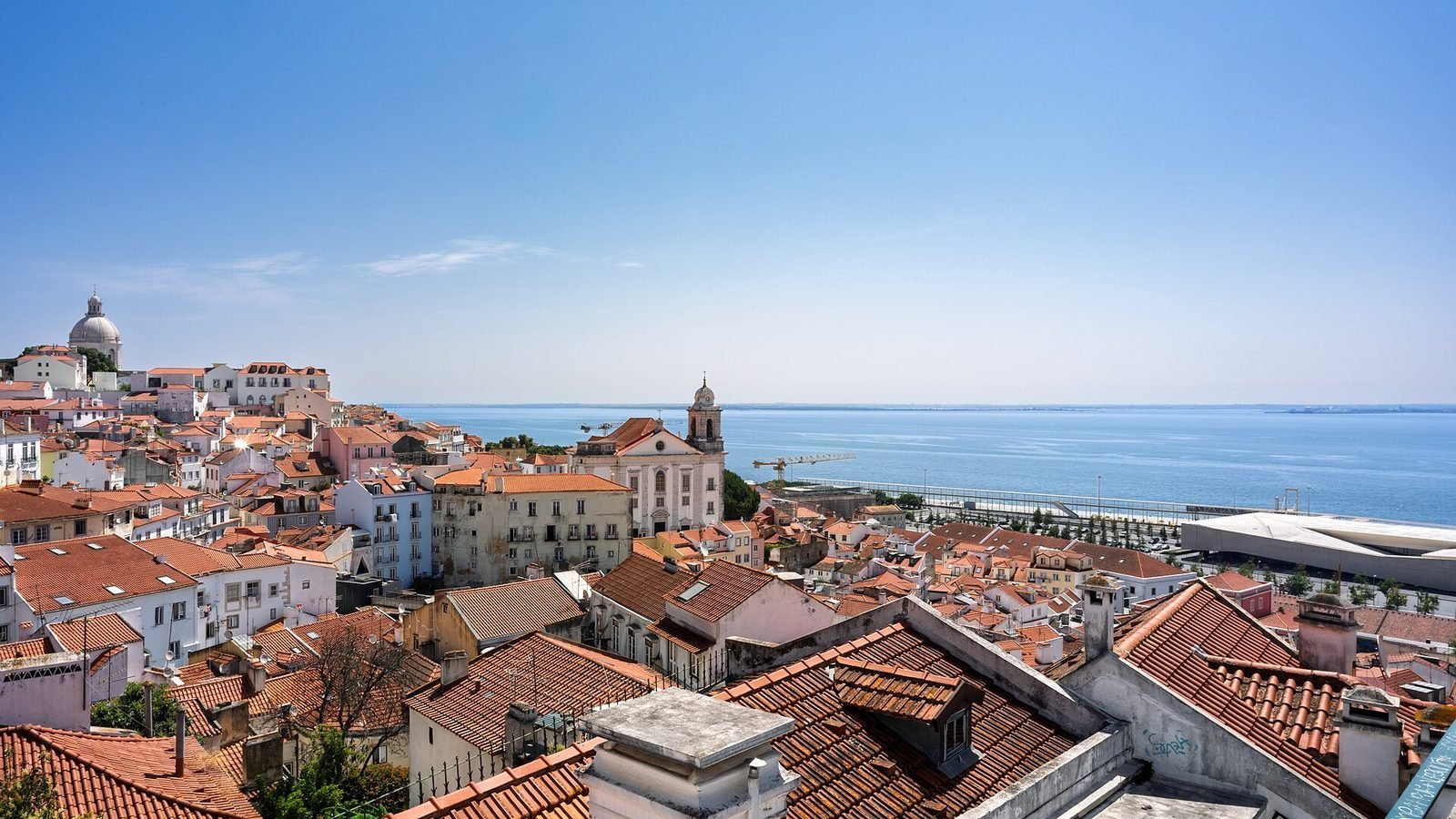
What it delivers academically is stronger than its reputation as a beach destination suggests. The country decarbonised its electricity grid faster than almost any comparable economy and has the data and the site access to teach it. Lisbon's housing and short-term-let pressures make it one of Europe's cleanest case studies in tourism-driven displacement. The Algarve and the Azores support real marine science. And for social policy cohorts, Portugal's drug decriminalisation framework — now in its third decade — is a live, well-documented policy experiment with practitioners willing to talk to students.
- Disciplines: European studies, sustainability and energy policy, marine science, tourism and hospitality management, public health and social policy, urban planning
- Indicative cost: £900–£1,400 per student for 8–12 days
- Best window: April–June or September–October
- Watch out for: summer accommodation prices in Lisbon and the Algarve roughly double — a September programme can cost 30% less than the identical August one
For a first-time trip leader building a case for their travel committee, Portugal is the shortest path from proposal to approval on our entire destinations list.
4. Philippines — disaster risk, marine science, and English-language access
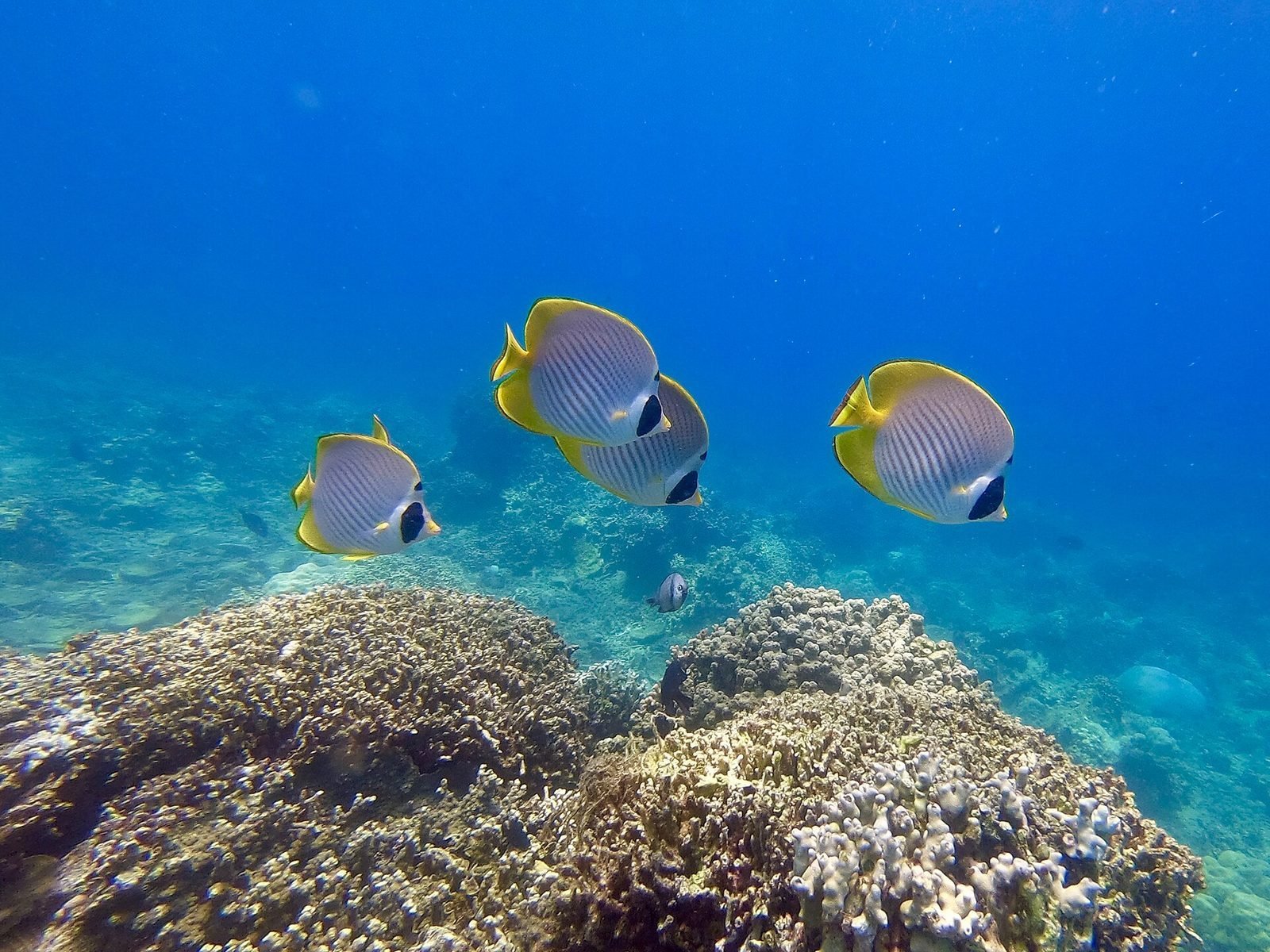
The Philippines is the destination we most often recommend and most rarely get asked about. It belongs near the top of the shortlist for two kinds of course.
The first is disaster risk reduction and resilience. The country absorbs roughly twenty tropical cyclones a year and has built one of the more sophisticated community-level preparedness systems in the region in response. For public health, geography, emergency management and development cohorts, that is field access to a whole discipline. The second is marine science: the Philippines sits inside the Coral Triangle, and reef restoration and small-scale fisheries work there is scientifically serious rather than performative.
The practical advantage is English. Instruction, clinical placements, community meetings and partner briefings all run in English, which removes the interpretation layer that slows fieldwork in many comparable destinations and makes student-led interviewing viable in a two-week window.
- Disciplines: public health, nursing, marine biology, geography, disaster management, social work, education, environmental science
- Indicative cost: £1,150–£1,750 per student for 12–14 days
- Best window: January–May; typhoon season runs roughly June–November and should be avoided for group travel
- Watch out for: the archipelago means internal flights, and regional advisories differ sharply by island — programme design has to be region-specific, not country-level
Health-sciences departments planning clinical or observational placements should read our guidance on what a supervised placement can and cannot include, alongside the elective structures set out by Med Trips, our medical and healthcare placement brand.
5. Malaysia — Borneo rainforest plus a genuinely plural society
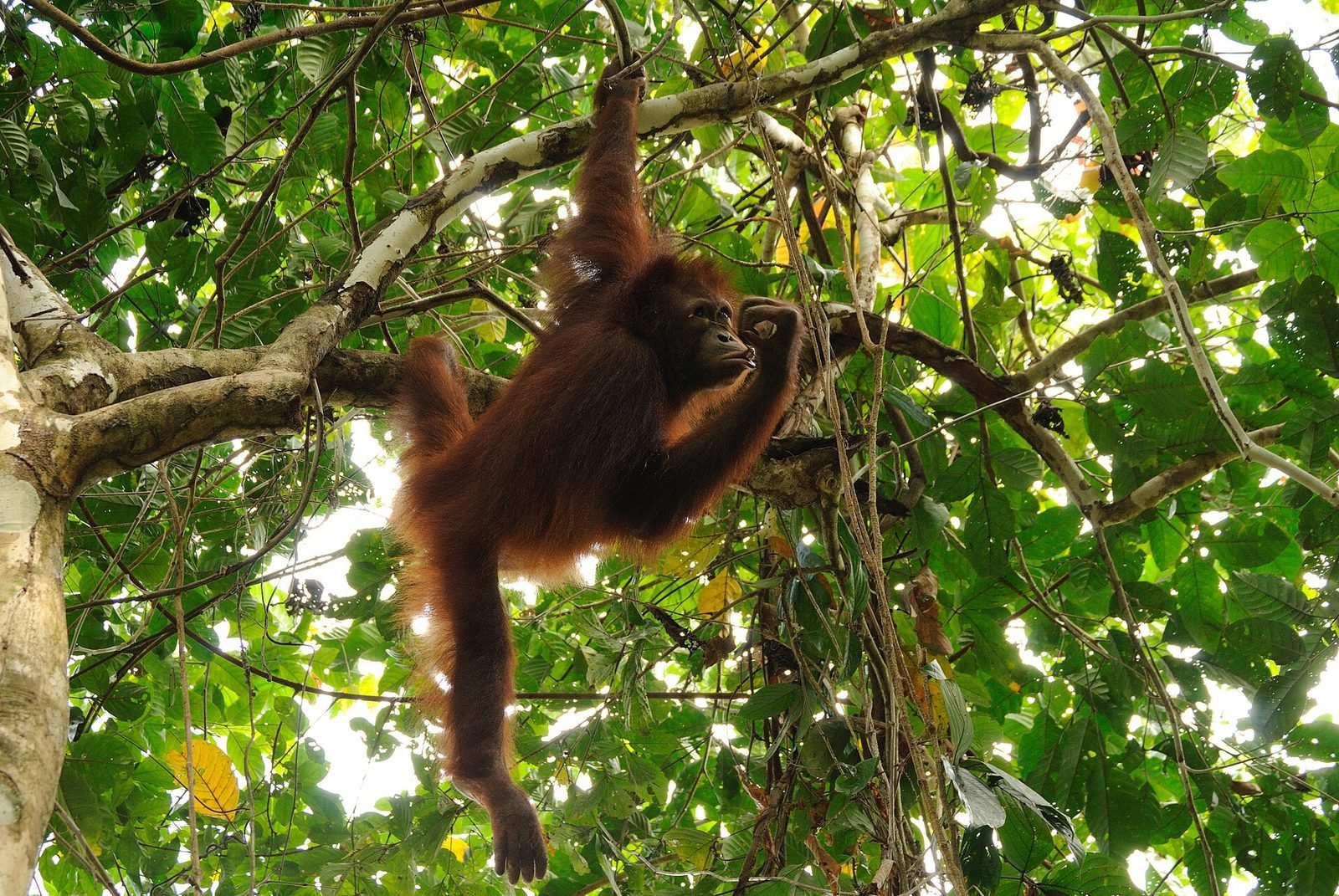
Malaysia gets overlooked because Thailand and Vietnam sit next to it with more established group-travel reputations. That is a shame: Malaysia offers something neither does as cleanly — a single itinerary pairing first-rate rainforest and primate conservation in Sabah and Sarawak with a compelling social-sciences case study on the peninsula.
Borneo's orangutan rehabilitation and forest-corridor work sits directly on top of the palm-oil economy that threatens it, and students can visit both in the same week, which makes the trade-off concrete instead of theoretical. On the peninsula, Kuala Lumpur and Penang support work on ethnic and religious pluralism, affirmative-action policy, Islamic finance and rapid urban development. Very few countries let one cohort study biodiversity loss and multi-ethnic governance without the itinerary feeling stitched together.
- Disciplines: conservation biology, environmental science, business and finance, political science, religious studies, sustainability, hospitality
- Indicative cost: £1,200–£1,800 per student for 12–14 days
- Best window: March–September for Borneo; the peninsula is workable most of the year
- Watch out for: Sabah and Sarawak have their own entry procedures for some nationalities even on a domestic flight — check every passport in the cohort early
How to test whether an unfamiliar destination is actually right
Curiosity is not a proposal. Before you take an unfamiliar country to a travel committee, work through the same four questions we ask every group at the enquiry stage:
- What are the three site visits that only this country makes possible? If you cannot name them, the destination is decorative and the committee will spot it.
- What does the assessment look like? A destination is right when it improves the coursework students produce, not just the photographs they take.
- What is the honest risk picture, region by region? Country-level advisories are too blunt for planning. Our safety and support framework works at regional and site level, and that is the granularity a risk office needs.
- Can it be delivered by people who live there? Programmes that depend on a visiting operator flying in tend to be shallower and less resilient when something changes. Every destination above is run by in-country teams who live and work in those communities year-round.
On timing: build a 9–12 month runway from first conversation to departure for any of these five. Portugal can be compressed to about six months if the committee moves quickly; Madagascar realistically cannot. That runway is not padding — it is what lets us confirm partner organisations, price accurately in local currency, and get your risk documentation approved before recruitment opens.
Where the impact question fits
Choosing a less-visited destination is not automatically the more ethical choice, and we would rather you did not assume it is. What matters is whether the community partner set the terms of the work, whether the money stays in the local economy, and whether the programme would still make sense if no students turned up. That test is the same in Lisbon as it is in Antananarivo.
It is also the reason we went through B Corp certification and hold an Impact Score of 88.2 — the assessment forces those questions to be answered with evidence rather than intent. You can read how that shapes programme design on our B Corp and impact page, and see the wider community-programme network we draw on at Volunteering Solutions, our volunteer and internship brand, which has run placements in several of these countries for well over a decade.
Start with the course, not the map
If you have a course in mind and no destination — or a destination in mind and a nagging feeling it is the default rather than the right answer — tell us what the module is meant to achieve and we will come back with two or three options costed properly, including at least one you had not considered. There is no charge and no obligation, and most proposals go out within five working days.
Request a proposal for your faculty-led programme →
Related reading: Faculty-Led Programmes Abroad: The Complete 2026 Guide and 15 Best Destinations for Faculty-Led Group Trips in 2026. For custom itineraries built around a specific module, see Educational Travel.