
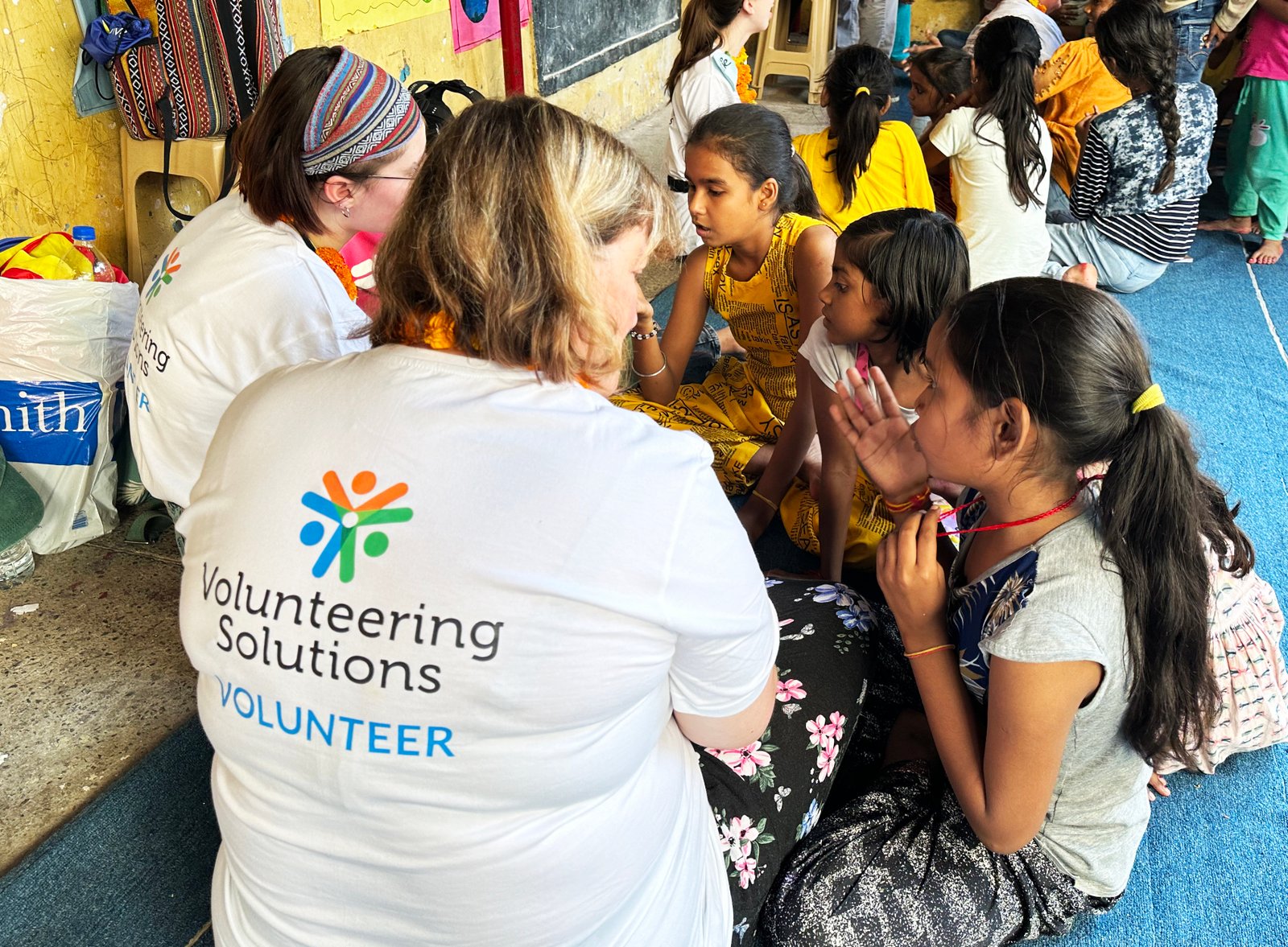
Faculty-Led Programmes Abroad: A Complete 2026 Guide for University Departments
Faculty-led programmes abroad have quietly become the most efficient way for university departments to deliver an international experience. They are shorter than traditional study abroad, tightly aligned to a specific course, retain the home faculty member's pedagogical control, and typically cost 50–70% less per student. This guide explains how they work in 2026, who runs them well, and what every department chair, study-abroad officer or programme director should think through before signing a proposal.
What is a faculty-led programme?
A faculty-led programme — sometimes called an "embedded" programme, "short-term study abroad", or simply a "faculty trip" — is an international course experience designed and led by a member of the home institution's teaching staff. A typical structure looks like this:
- Duration: 1–4 weeks, often during winter, spring or summer breaks
- Group size: 8 to 40+ students from the home institution
- Faculty role: a faculty member from the home department travels with and teaches the group throughout
- Academic credit: usually awarded under the home institution's existing course codes (independent study, fieldwork, service-learning sections, or a designated section of an existing course)
- Operations: typically delivered with an in-country partner like Impact Explorers who handles accommodation, transport, local programme partners, safety logistics and 24/7 in-country support
The faculty member retains academic ownership — assessment, learning outcomes, course-content delivery — while delegating the operational complexity. That division of labour is the entire point.
Why faculty-led programmes are surging in 2026
Four trends are converging:
- Cost pressure on traditional study abroad. Semester-abroad programmes at $25,000–$45,000 per student are increasingly out of reach. A 14-day faculty-led programme at $2,000–$3,500 per student delivers measurable international learning outcomes at a tenth of the cost.
- Student demand for shorter, more focused experiences. Working students, transfer students, students with family commitments and STEM students with rigid course sequences struggle to make a full semester abroad work. A 2-week embedded programme fits everywhere.
- Institutional pressure to broaden study-abroad participation. Most universities now publish faculty-led completion rates in the same dashboards as semester abroad — and recognise that faculty-led programmes are how they reach first-generation, Pell-eligible, and historically under-represented students.
- Curricular integration. Departments that own the syllabus also own the international experience, allowing far tighter alignment between travel and learning outcomes than a third-party programme can deliver.
How a faculty-led programme is built (the 6-step timeline)
A well-run programme runs on a 9–12 month timeline. Here is how Impact Explorers structures the work, and what should happen on your end at each stage.
1. Concept and learning-outcomes alignment (Month -12 to -9)
The faculty lead and Impact Explorers schedule a 30-minute scoping call. We map your course's learning outcomes against destination options, programme partners and activity types. We send back a 2-page proposal with destinations ranked by fit, suggested length, and a per-student price band. Request a proposal typically comes back within 48 hours.
2. Institutional sign-off and risk review (Month -9 to -7)
Your travel committee, risk-management office and dean approve the programme. We supply the documentation pack: risk assessment, accommodation safety audit, in-country partner credentials, insurance coverage details, emergency response protocols, and a draft itinerary. See our safety framework for the standard documentation set.
3. Student recruitment and selection (Month -7 to -4)
The faculty lead promotes the programme within the department. Most successful recruitment campaigns use a 30-minute info session, a printed flyer, an email blast to relevant majors, and a one-page programme overview pinned to the course catalogue. Selection typically happens via short essay and faculty interview.
4. Pre-departure preparation (Month -4 to -1)
We run a pre-departure briefing covering travel, health, accommodation, cultural context and emergency protocols. The faculty lead delivers academic pre-readings and assignments. Passports, visas and vaccinations are confirmed.
5. In-country delivery (the programme itself)
Impact Explorers handles ground operations end-to-end: airport pickup, accommodation, daily transport, programme partner liaison, meal arrangements, weekend excursions and 24/7 support. The faculty lead delivers the course — site visits, lectures, group reflection sessions, assessments.
6. Return and assessment (Month +1 to +3)
Students complete reflection assignments and final assessments. The faculty lead writes a programme report, identifies improvements for next year, and the institution reports completion in its study-abroad dashboard.
What does a faculty-led programme cost?
Per-student costs in 2026 typically fall in these ranges, excluding international flights:
- Asia (India, Sri Lanka, Nepal, Vietnam, Thailand, Cambodia): £950–£1,800 per student for a 10–14 day programme
- Africa (Kenya, Tanzania, Ghana, South Africa, Uganda): £1,100–£2,000 per student
- Latin America (Costa Rica, Peru, Ecuador, Argentina): £1,400–£2,400 per student
- Europe (Romania, Eastern Europe): £1,300–£2,000 per student
The four levers that move per-student cost are: group size (more students lower per-head cost), accommodation tier (homestay vs guesthouse vs hotel), programme intensity (number of partner sites visited), and internal transport (whether the programme requires internal flights). A good proposal will price each lever as a separate line item so you can flex within your budget.
Crucially: most operators including Impact Explorers offer free faculty places on qualifying group sizes — typically one free faculty place per 10 paying students, two per 18+ students. That meaningfully lowers the total cost to the department.
Choosing an in-country partner: what to look for
Not all operators are equal. Universities should evaluate partners on six dimensions:
- Operational track record in the destination. How long have they run programmes in this specific country? Generic "global operators" with thin local infrastructure rarely deliver in a crisis. We have 18 years in Sri Lanka, 16 in India, 14 in Kenya and Ghana — and we publish destination-specific tenure rather than headcount.
- In-country team structure. Are coordinators employed by a local entity with appropriate labour, tax and safeguarding compliance? Or are they freelance subcontractors paid per booking? The former is far more reliable for safeguarding and emergency response. We use the wording "in-country teams" deliberately — not "agents" or "partners with local people".
- Safety and risk-management documentation. Ask for the risk assessment template, the accommodation audit checklist, the emergency response plan and the insurance certificate. Operators that can't produce these in 48 hours probably don't have them.
- Ethical credentials. B Corp certification, BETA accreditation, and independent ratings (GO Overseas, WYSE/WYSETC membership) all matter. Impact Explorers is B Corp Certified with a verified Impact Score of 88.2 — 73% higher than the median for all assessed businesses.
- Community-impact verification. Where does the money go? What does the local community actually get? Reputable operators publish annual impact reports with verified figures, not marketing photos.
- Faculty references. Ask for three university clients who ran a programme in the last 12 months. Call them. Five-minute calls will tell you more than a 50-page proposal.
Top destinations for faculty-led programmes in 2026
The most-requested destinations across our 2025–2026 university bookings, in order:
- Sri Lanka — global health, conservation, education, sustainable tourism, hospitality management
- Costa Rica — biology, environmental science, sustainability, Spanish-language immersion
- Kenya — global health, public health, conservation, social work, education
- Vietnam — business, international relations, history, contemporary politics, education
- Peru — anthropology, archaeology, biology, Spanish, community development
- India — global health, business, social entrepreneurship, history, religious studies
- Tanzania — conservation, global health, education, wildlife biology
- Thailand — global health, hospitality, education, Buddhist studies, conservation
- Ghana — African studies, history, education, public health, anthropology
- Ecuador — biology, indigenous studies, Spanish, environmental science
Browse the full destinations directory for programme details, partner organisations and recent itineraries.
Common pitfalls (and how to avoid them)
From hundreds of faculty-led programmes delivered, the most common mistakes departments make:
- Recruiting too late. The single biggest avoidable failure. Programmes that open recruitment 4 months before departure under-enrol; programmes that open 7+ months out hit their target group size 90% of the time.
- Over-packing the itinerary. Five site visits a day looks impressive on the brochure and exhausts the cohort by Day 4. Three quality engagements with reflection time outperform five rushed visits every time.
- Vague learning outcomes. "Cultural awareness" isn't an assessable learning outcome. "Students will be able to explain three structural drivers of health inequity in rural Sri Lanka, supported by primary observation" — that's assessable.
- No risk-management briefing for the faculty lead. The faculty member is the on-the-ground decision-maker in a crisis. A 1-hour briefing on the emergency protocol before departure prevents most avoidable problems.
- Treating the operator like a travel agent. The best programmes happen when the faculty lead and the in-country team co-design the academic activities — not when the operator hands over a fixed itinerary.
Ready to start?
Impact Explorers designs faculty-led programmes for universities, colleges and schools across 30+ countries. We're a B Corp Certified group, the parent of Volunteering Solutions and Med Trips, and we deliver everything from a 10-day undergraduate fieldwork programme in Sri Lanka to a 3-week medical-school clinical-rotation programme in Kenya.
The first step is a 30-minute scoping call to understand your course objectives, group size and budget. Send us the basics via the proposal request form and we'll come back within 48 hours with a tailored draft. Or email info@impactexplorers.com.
The best faculty-led programmes don't pretend to compress a semester into two weeks. They pick one big idea, anchor it in a place, and design the trip backwards from what students should know on Day 14 that they couldn't have learned in a classroom.
This is the first article in our 2026 series on educational travel. Further reading: FAQ — Faculty-Led, Volunteer & Group Travel Questions Answered · Safety & Support framework · B Corp & Impact report.