
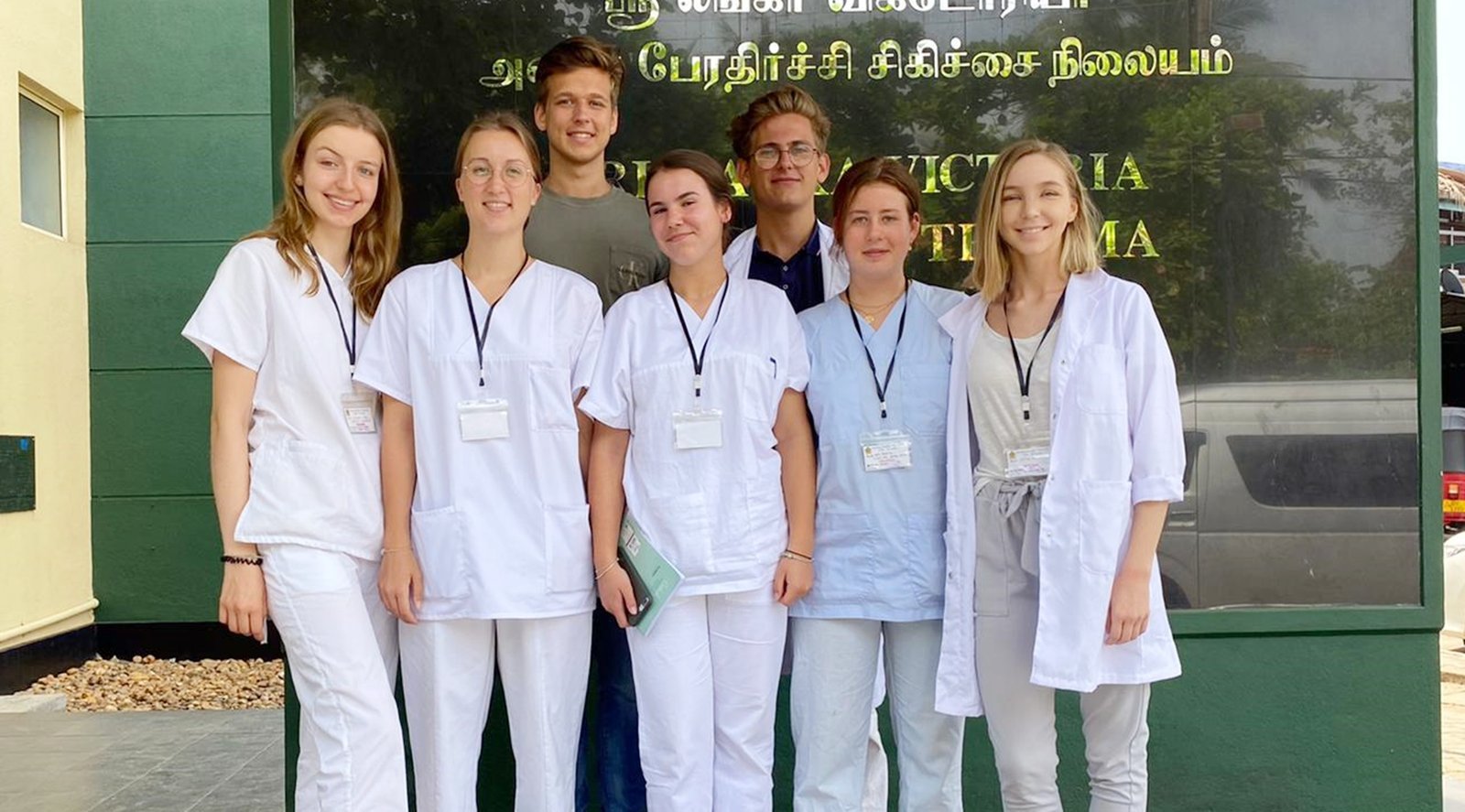
Nursing Internships Abroad: How to Choose a Program That Builds Real Skills
Most nursing internships abroad are sold on the destination and delivered on the supervision — and supervision is the only variable that determines whether you come home with skills or with photographs. Two placements in the same city, at the same price, can differ by an order of magnitude in what a student is actually permitted and supported to do. This guide sets out how nursing students, personal tutors and placement coordinators should assess an overseas nursing programme in 2026: what counts towards your hours, what scope of practice you can expect, and the specific questions that separate a serious clinical placement from a hospital tour.
First: will the hours count?
Start here, because the answer changes everything about how you choose. For UK pre-registration nursing students, practice hours count towards your programme only when your university — the Approved Education Institution — has arranged or formally approved and quality-assured the placement. An elective you book independently in the summer holiday is, in most cases, valuable additional experience rather than credited practice hours.
That is not a reason to avoid it. It is a reason to be clear with yourself about which of the two you are buying:
- A credited placement — arranged through your university's practice-learning team, with a named supervisor, an agreed learning contract and formal assessment documentation. Longer lead time, more paperwork, counts towards your programme.
- A supplementary elective — booked in your own time, assessed informally or not at all. Excellent for confidence, exposure to unfamiliar presentations and your application narrative. Does not replace required hours.
Speak to your practice-learning lead before you pay a deposit, not after. If you are a course leader reading this on behalf of a cohort, the credited route is almost always the right one, and it is best built as a group programme — more on that below.
Scope of practice: what you can actually do
Your scope abroad is set by the host country's regulations and the supervising registered nurse's judgement, not by your year of study or by what a brochure promises. A credible operator will tell you this plainly at the enquiry stage. In practice, on a well-run ward placement, a nursing student in their second or third year should expect:
- Supervised participation in patient assessment, observations and vital-signs monitoring
- Wound care and dressing changes under direct registered-nurse supervision
- Medication administration where local scope permits and always supervised — this varies significantly by country and by hospital
- Participation in handover and ward rounds, including presenting a patient you have been following
- Observation in theatre, delivery suite or ICU depending on the rotation
- Community and outreach clinics, which are frequently the richest part of the placement
What you should not expect, and should treat as a warning sign if offered: unsupervised procedures, independent clinical decision-making, or any invasive skill you have not been signed off for at home. The framework Med Trips uses across its hospital partners is deliberately conservative on this point — the placement is designed around what you can be properly supervised doing, not around what sounds impressive in a listing.
If an operator's answer to "what will I be allowed to do?" is enthusiastic rather than specific, you are talking to a sales team, not a clinical placement team.
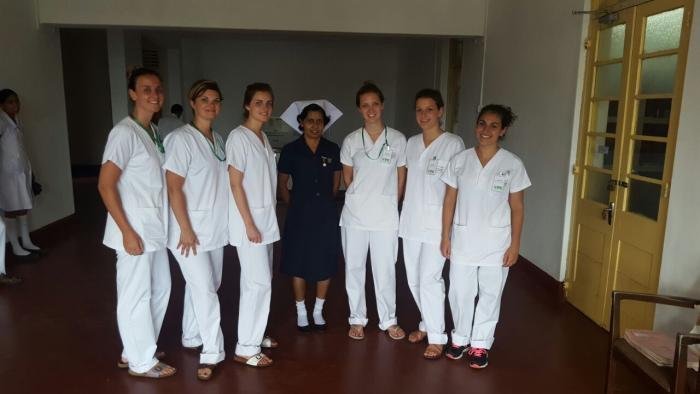
The five markers of a skill-building placement
These are the things that correlate with students coming home more competent. Ask about each one directly.
- A named supervisor before you arrive. Not "you'll be assigned on arrival" — a named registered nurse or clinical educator, with their role and department confirmed in writing. This single item predicts placement quality better than any other.
- A written rotation plan. Which wards, which weeks, how many shifts. A four-week placement should have a schedule, not a vague promise of variety.
- Realistic student-to-supervisor ratios. Ask how many international students are on the same ward in the same week. Six students shadowing one nurse is a tour. Two is a placement.
- Structured reflection. Weekly debriefs with a clinician or in-country coordinator, and a logbook you are expected to keep. Reflection is where the experience converts into learning that survives the flight home.
- Documentation and sign-off. Whether or not your hours count formally, you want a supervisor's written record of what you did. Ask what documentation the placement produces and who signs it.
Which settings build which skills
Nursing students often ask for "the busiest hospital". Busy is not the same as instructive. Match the setting to what you actually want to develop.
- District general wards — the best all-round choice. High patient volume, broad case mix, and presentations at later stages than you typically see at home, which sharpens assessment skills considerably.
- Maternity and delivery — strong for midwifery students and anyone wanting obstetric exposure, but scope is tightly restricted almost everywhere. Expect to observe far more than you participate.
- Paediatrics — excellent for communication and assessment skills; emotionally demanding, and worth thinking about honestly before you request it.
- Community and outreach clinics — the most underrated setting. Health education, screening, immunisation clinics and home visits build public-health competence you cannot get on a ward.
- Rehabilitation and long-term care — sustained contact with the same patients over weeks, which is rare on a short placement and genuinely valuable.
- ICU and theatre — high on students' wish lists, low on participation. Useful observational rotations, but do not build a whole placement around them.
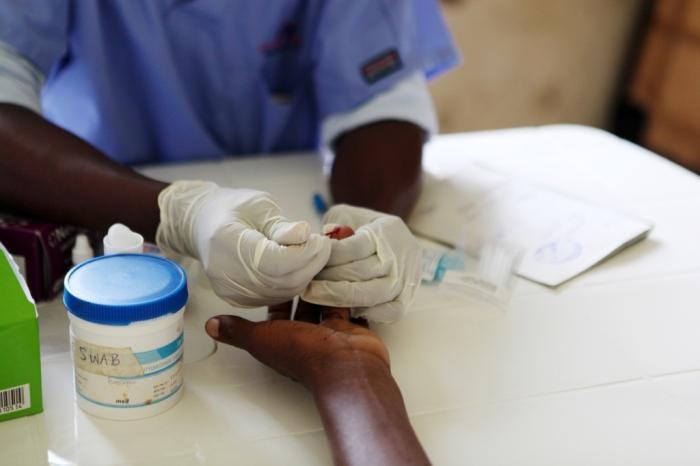
Destination matters less than most students assume, but it is not irrelevant: language of clinical documentation, the structure of the health system and the seniority culture on the ward all shape how much you will be included. Sri Lanka, where our teams have worked for 18 years, is a common recommendation for nursing students specifically because clinical documentation and much of the teaching are in English and the district hospital network gives reliable ward access. You can see the full range on our destinations page and the country detail on the Sri Lanka page.
What it should cost — and what should be included
Rather than quoting a headline number, work from what a fee must cover. A placement fee that looks cheap usually excludes something you will pay for anyway. Confirm in writing that the fee includes:
- Hospital placement fee and any administrative or registration charges paid to the host facility
- Accommodation for the full placement period, including arrival and departure days
- Airport collection and transfer
- In-country orientation covering clinical protocols, infection control and cultural context
- Named in-country support with 24-hour emergency contact
- Placement documentation and supervisor sign-off
Typically excluded, and worth budgeting separately: international flights, travel and medical insurance including elective-specific cover, visas, vaccinations, scrubs and personal protective equipment, and daily meals not covered by the accommodation. Current placement pricing by country is published on the Med Trips site.
Red flags
A short list, drawn from what students report when a placement disappoints:
- "Hands-on from day one" as a headline claim, with no discussion of supervision or scope
- No named supervisor, and no willingness to confirm one before payment
- Placement in an orphanage or children's home framed as clinical experience — a practice we do not run and would advise against for the reasons set out in our piece on spotting an operator that helps rather than harms
- No written safety or emergency protocol, and no local emergency contact — see our safety and support framework for the standard a placement should meet
- Reluctance to connect you with a student who completed the same placement
Sending a nursing cohort: the group route
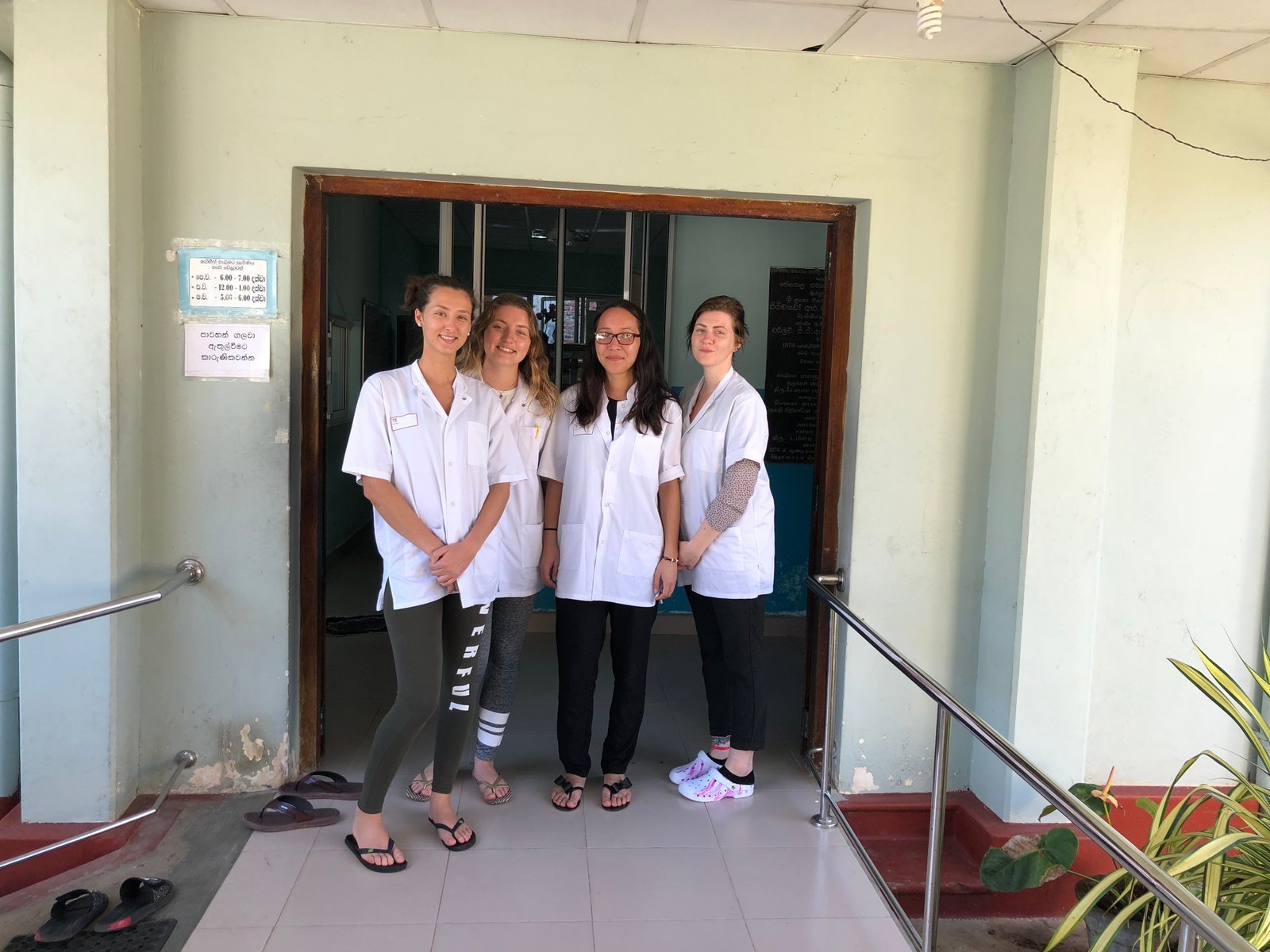
If you are a nursing course leader or placement coordinator, a group programme solves problems that individual bookings cannot. You get one negotiated agreement with the host facility rather than fifteen, consistent supervision arrangements across the cohort, documentation designed around your own assessment framework, and a faculty member travelling with the group who can quality-assure the learning in real time — which is usually what your practice-learning team needs in order to credit the hours.
Group nursing programmes are built on the same 9–12 month timeline as any other faculty-led programme: scoping and outcomes alignment, institutional sign-off and risk review, recruitment, then pre-departure preparation. Per-student costs for a 10–14 day group programme fall between £950 and £2,000 depending on region, excluding flights. The full process is set out in our complete 2026 guide to faculty-led programmes, and the group service itself is described on the faculty-led groups page.
Impact Explorers is a certified B Corporation, and the standard that matters most here is an unglamorous one: our in-country teams are based where the placements run, so the person resolving a supervision problem on a Tuesday morning is in the same city as your students. That is also why we are candid about scope limits rather than promising access we cannot supervise properly.
Next steps
If you are a student, take the five markers above to any operator you are considering and compare the answers side by side — the differences will be obvious within one email exchange. If you are a course leader planning a cohort placement for 2027, send us your module learning outcomes and approximate group size and we will return a two-page proposal within 48 hours, with named host facilities, a draft rotation plan and a per-student price band. Request a proposal, or read through the FAQ first if you would rather see how the process works before making contact.
Related reading: Medical Electives Abroad: What Actually Counts as Hands-On? and Pre-Med Volunteer Abroad: Building a Strong Medical School Application.