
Costa Rica vs Peru for Faculty-Led Biology Programs: Cost & Outcomes Compared
If your biology course is built around biodiversity, field methods or conservation, two destinations dominate the shortlist — Costa Rica and Peru — and the choice between them is rarely as obvious as it first appears. Both offer world-class ecosystems, established research infrastructure and the kind of hands-on fieldwork that turns a lecture-hall cohort into a group of practising field biologists. But they differ sharply on cost, altitude, logistics and the specific learning outcomes they make possible. This is an honest, side-by-side comparison to help you match the right country to your syllabus, your budget and your students.
The one-line answer (and why it's not enough)
Costa Rica is the safer, simpler, more expensive choice — a compact country of well-connected research stations where a 12-day itinerary can cover five ecosystems without a single internal flight. Peru is more logistically demanding and slightly cheaper per student, but it opens up ecosystems — high Andes, Amazon headwaters, cloud forest transition zones — that Costa Rica simply cannot match, alongside a cultural and archaeological dimension that suits interdisciplinary courses.
That summary is a useful starting point, but the decision that actually matters is which country delivers your learning outcomes. A course on tropical community ecology and a course on altitudinal biodiversity gradients will point to different countries. Let's break it down properly.
Cost compared: what you'll actually pay per student
Across the faculty-led biology groups we placed in 2025, the indicative per-student cost bands were:
- Costa Rica: £1,400–£2,000 per student for 10–14 days
- Peru: £1,150–£1,800 per student for 12–16 days
Peru tends to come in 15–25% cheaper on the ground — accommodation, food and in-country transport all cost less than in Costa Rica, which has the highest cost of living in Central America. But two caveats matter. First, Peru itineraries are usually longer (the Amazon and the Andes are far apart), which narrows the total-cost gap. Second, international flights to Lima from the UK are typically £100–£250 more than to San José, and internal Amazon flights (Lima–Puerto Maldonado or Lima–Iquitos) add £120–£200 per student.
The honest conclusion: for a 12-day programme, Costa Rica and Peru land within roughly £200 of each other once flights are included. Cost should rarely be the deciding factor — outcomes should. For a full breakdown of what goes into a per-student figure, see our guide on how much a faculty-led trip actually costs.
Ecosystems and what your students can actually study
This is where the two countries genuinely diverge, and where your syllabus should drive the choice.
Costa Rica: compressed diversity, easy access
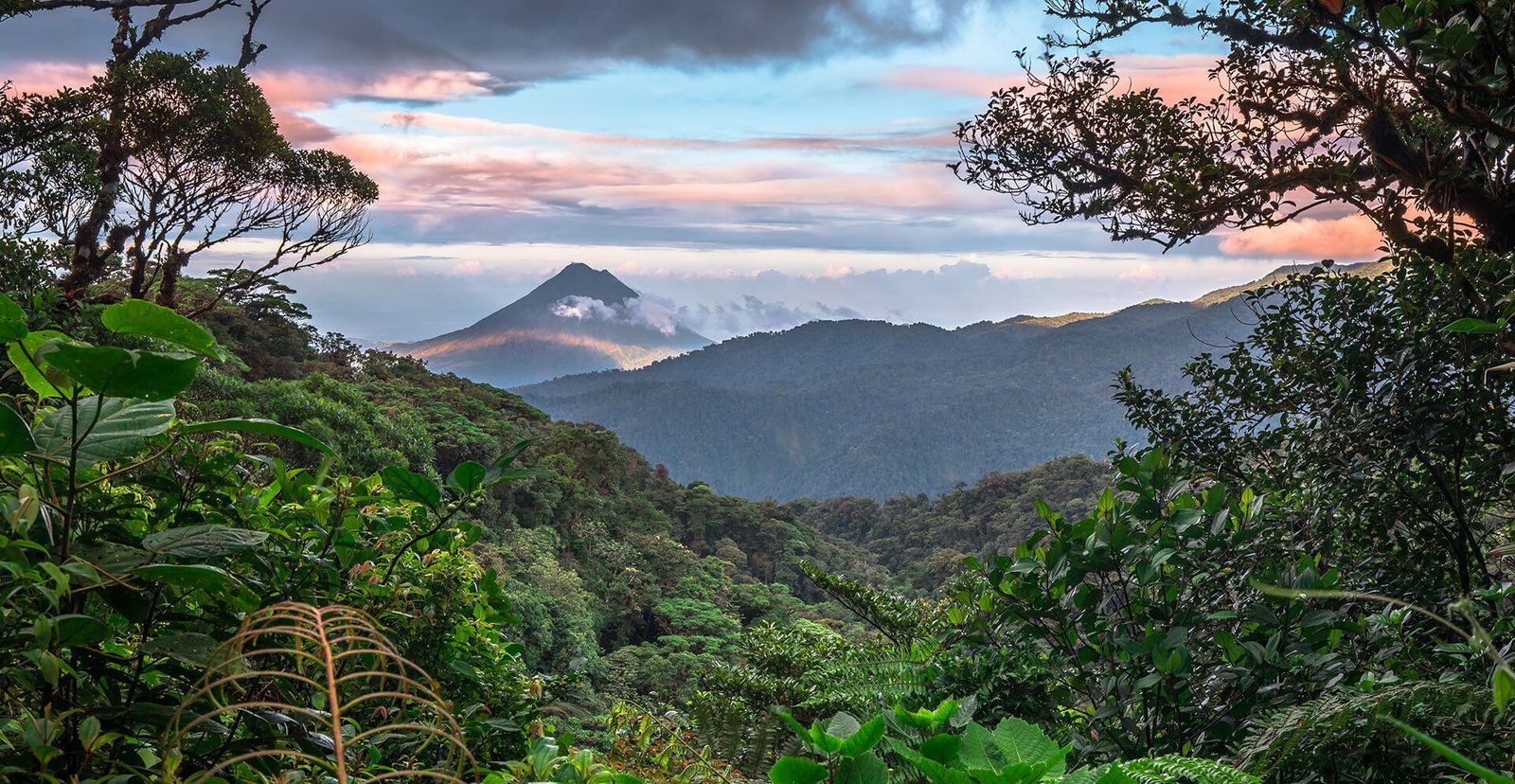
Costa Rica packs five distinct ecosystems within a four-hour drive: cloud forest, lowland rainforest, dry tropical forest, Caribbean and Pacific coasts, and volcanic highlands. The research-station network — La Selva, Monteverde, Palo Verde — is among the most developed in the tropics, with permanent plots, long-term datasets and resident scientists your students can shadow. For a course on tropical ecology, canopy biodiversity, herpetology or pollination biology, it is close to ideal.
- Signature fieldwork: canopy invertebrate sampling, sea-turtle nesting surveys at Tortuguero, amphibian transects in cloud forest, mist-netting with resident ornithologists
- Best for: tropical ecology, conservation biology, environmental science, herpetology, first field-methods courses
Peru: altitudinal gradients and Amazon headwaters
Peru offers something Costa Rica cannot: a continuous altitudinal gradient from Amazon lowland at 200m to high Andean puna above 4,000m, letting students study how biodiversity, physiology and community structure change with elevation across a single itinerary. The Tambopata and Manú regions are among the most species-rich places on Earth — Manú alone records over 1,000 bird species. For courses on biogeography, macroecology or climate-driven range shifts, this is unmatched.
- Signature fieldwork: clay-lick macaw surveys, camera-trap mammal inventories, altitudinal transect sampling, oxbow-lake limnology in the Amazon
- Best for: biogeography, macroecology, ornithology, tropical field biology, interdisciplinary biology-plus-anthropology courses
Logistics, altitude and safety
Costa Rica is the more forgiving country to run a first programme in. Roads are good, distances short, English is widely spoken in the tourism and research sector, and there is no altitude to plan around. A cohort can land in San José and be in the field the same afternoon.
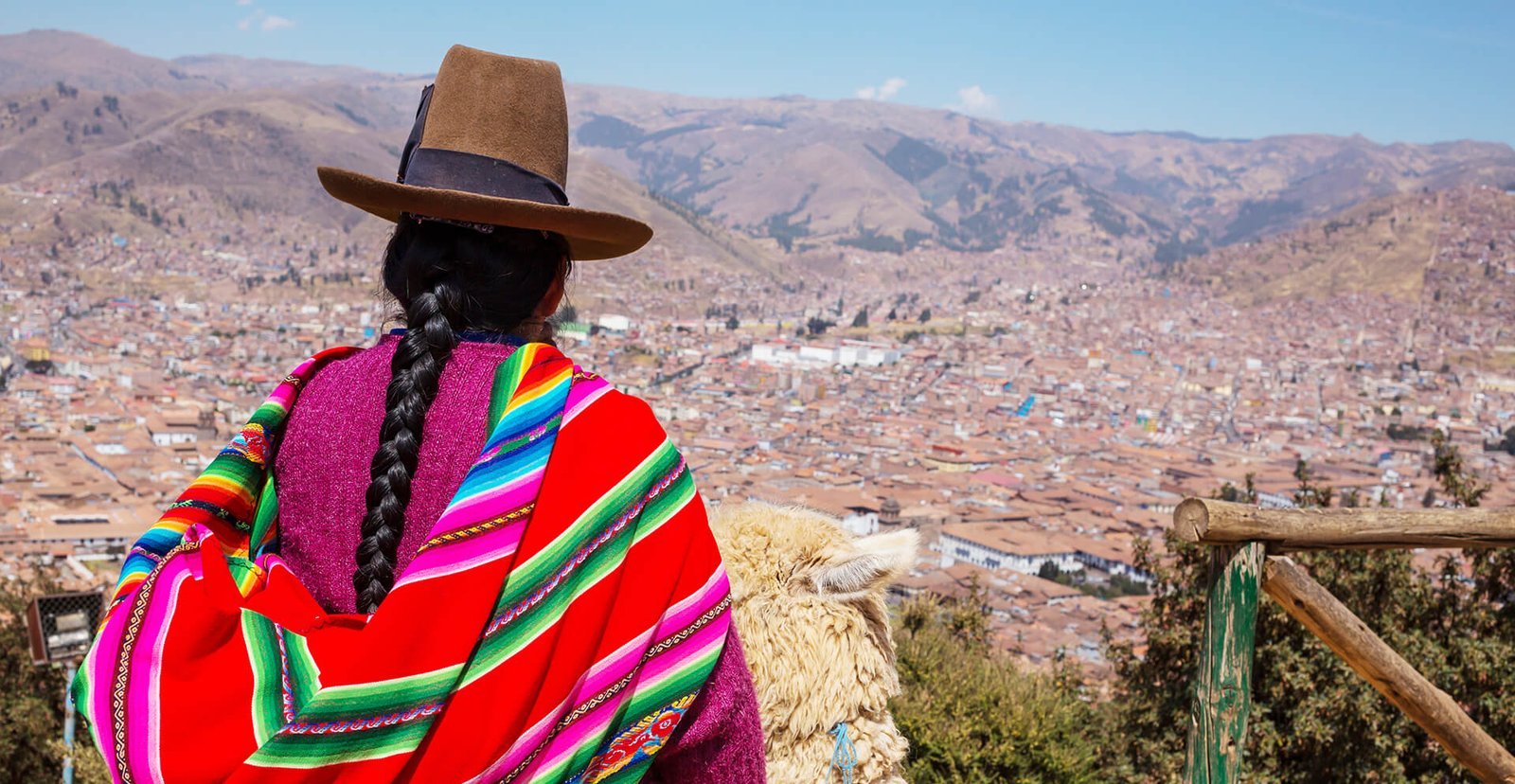
Peru asks more of you as a programme leader. If your itinerary includes Cusco or the Sacred Valley (3,400m+), you must build in two acclimatisation days and brief students on altitude sickness — a genuine medical consideration, not a formality. Internal travel involves domestic flights and longer transfers. None of this is prohibitive, but it means Peru rewards experienced leaders and thorough pre-departure planning. Our safety framework and a structured pre-departure briefing become more important, not less.
A useful rule of thumb: if this is your department's first international field course, Costa Rica lets you focus on the science rather than the logistics. If you've run field trips before and want to push your students further, Peru's payoff is worth the added complexity.
Timing: when each country is at its best
Seasonality shapes both the fieldwork you can run and the price you'll pay, and the two countries have opposite calendars in the regions most groups visit.
- Costa Rica: the dry season (December–April) is the reliable window for cloud and lowland forest work, with the fewest washed-out field days. This is also the busiest and most expensive period. May–July offers a "green season" sweet spot — lower prices, dramatic afternoon rains that don't usually derail morning fieldwork, and peak amphibian and insect activity for those specific study topics.
- Peru: the Amazon (Tambopata, Manú) is most accessible in the dry season, roughly May–October, when river levels and trail conditions cooperate and biting-insect pressure eases. This happens to align neatly with the northern-hemisphere summer break, which is why Peru works so well for June–August faculty-led cohorts.
The practical takeaway: a spring-semester or Easter course leans Costa Rica; a summer field school leans Peru. If your academic calendar is fixed, let it narrow the shortlist before anything else does.
Group size, accessibility and who the trip suits
Costa Rica scales comfortably from a 10-student seminar group up to a 30-plus cohort, and its shorter transfers and paved access make it the more inclusive choice for students with mobility considerations or those who have never travelled internationally. Research stations are set up for teaching groups and can absorb larger numbers without losing field quality.
Peru rewards smaller, more self-selecting groups. The Amazon lodges and Andean field sites work best at 12–20 students, and the altitude, longer transfers and more remote sites mean it suits cohorts who are physically prepared and academically committed. For a first-year introductory module it can be a stretch; for a final-year or postgraduate field course it is often the more formative experience precisely because it asks more of the students. Whichever way you lean, our FAQ page covers the practical questions — insurance, group minimums, staff-to-student ratios — that shape which format fits your department.
Academic outcomes: matching country to learning objectives
Strip away the brochure language and the decision comes down to what you need students to be able to do by the end. A few common course goals, mapped to the stronger fit:
- "Students can design and run a basic field survey." → Costa Rica. The station infrastructure and short transfers mean more contact hours in the field and less time in transit.
- "Students understand how biodiversity varies with elevation and habitat." → Peru. The altitudinal gradient is a living dataset no classroom can replicate.
- "Students connect conservation science to community and policy." → Either, but Peru's indigenous-community partnerships add an anthropological dimension that suits interdisciplinary modules.
- "This is an introductory, confidence-building trip." → Costa Rica, every time.
Whichever country fits, the quality of your in-country teams determines whether these outcomes are actually met. Permanent, locally-based coordinators — not fly-in staff — are what keep a field programme safe, well-sequenced and academically credible. It's the same standard our sister brand applies across its volunteer and conservation programmes, and it is central to how we design faculty-led group trips.
A sample 12-day itinerary for each
Costa Rica — tropical ecology focus
- Days 1–4: Cloud forest at Monteverde — canopy biodiversity, epiphyte surveys, resident-scientist seminars
- Days 5–8: Caribbean lowland at La Selva or Tortuguero — herpetology transects and sea-turtle conservation
- Days 9–12: Central Valley — sustainable agriculture, data synthesis, student presentations
Peru — altitudinal gradient focus
- Days 1–3: Cusco and Sacred Valley — acclimatisation, high-Andes puna ecology, cultural context
- Days 4–9: Tambopata, Amazon — macaw clay-licks, camera trapping, oxbow-lake sampling
- Days 10–12: Data analysis, community visit, student symposium in Cusco
Both are starting points, not fixed packages — every itinerary we build is designed around your specific module outcomes and assessment structure. You can browse the wider country list on our destinations page, and see how these compare in our 15 best faculty-led destinations for 2026.
So which should you choose?
Choose Costa Rica if you want a compact, low-friction, station-based programme, if this is an introductory field course, or if your outcomes centre on tropical ecology and field methods. Choose Peru if your syllabus depends on altitudinal or biogeographic gradients, if you want Amazon-headwater biodiversity, or if you're running an interdisciplinary course that benefits from a strong cultural and archaeological dimension — and you have the leadership experience to manage the added logistics.
If you're still weighing the two against a live syllabus and a real budget, that's exactly the conversation we're built for. Send us your module outcomes, group size and travel window, and we'll come back with a costed itinerary for both countries so you can compare like-for-like. Request a proposal and we'll turn it around with indicative per-student pricing, a draft day-by-day plan and the academic contacts to match.
Related reading: The 15 Best Destinations for Faculty-Led Group Trips in 2026 and our real 2026 cost breakdown for faculty-led trips.